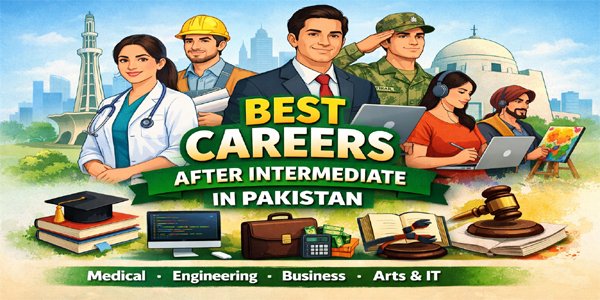
Choosing the right career is one of the most important decisions in life. Your career affects your income, lifestyle, mental health, and future opportunities. Many people choose careers based on pressure from family, society, or short-term money. But smart career decisions should be made with long-term success in mind.
In today’s fast-changing world, making the right career choice is more challenging than ever. New jobs are appearing, and old jobs are disappearing. Technology, artificial intelligence, and remote work are changing the job market quickly. That is why it is important to think carefully before choosing or changing your career path.
This article will guide you step by step on how to make smart career decisions for long-term success. It will help students, fresh graduates, and working professionals who want a better future.
1. Understand Yourself First
Before choosing any career, you must understand yourself. This is the foundation of smart career planning.
Ask yourself these questions:
-
What are my strengths?
-
What subjects do I enjoy?
-
What skills do I already have?
-
What kind of work makes me happy?
-
Do I prefer office work or field work?
-
Do I like working with people or working alone?
Knowing your interests and abilities helps you choose a career that suits your personality. When your career matches your interests, you are more likely to stay motivated and successful in the long run.
Identify Your Skills
Skills are what you can do well. They can be:
-
Hard skills: computer skills, writing, coding, accounting, teaching
-
Soft skills: communication, teamwork, leadership, problem-solving
Make a list of your skills and think about how they match different careers.
2. Set Clear Career Goals
Without goals, it is easy to feel lost. Smart career decisions need clear goals.
There are two types of goals:
-
Short-term goals: what you want to achieve in 1–3 years
-
Long-term goals: what you want to achieve in 5–10 years
For example:
-
Short-term goal: get a degree or learn a skill
-
Long-term goal: become a manager, engineer, or business owner
Your goals should be:
-
Realistic
-
Achievable
-
Flexible (because life can change)
When you have clear goals, your career path becomes easier to plan.
3. Research Career Options Properly
Never choose a career without research. Many people regret their career choice because they did not explore their options.
You should research:
-
Job responsibilities
-
Required education or training
-
Salary range
-
Job growth and demand
-
Work environment
-
Future opportunities
Use:
-
Career websites
-
YouTube videos
-
Blogs
-
Job portals
-
Government career data
Example:
If you want to become a digital marketer, learn:
-
What digital marketing is
-
What skills are needed (SEO, content writing, social media)
-
How much salary you can earn
-
Whether demand is growing
Research helps you avoid choosing a career blindly.
4. Think About the Future Job Market
Smart career decisions are based on future trends, not just current popularity.
Some industries grow faster than others. For example:
-
Technology
-
Healthcare
-
Education
-
Renewable energy
-
Data and AI fields
Jobs that require only manual work are slowly being replaced by machines. So, it is better to choose careers that:
-
Need creativity
-
Need thinking and problem-solving
-
Cannot be easily automated
Look for careers that will still exist after 10–20 years.
5. Do Not Choose Only for Money
Money is important, but it should not be the only reason to choose a career.
If you choose a career only for money:
-
You may feel bored or stressed
-
You may lose interest quickly
-
Your mental health may suffer
A good career should give:
-
Financial stability
-
Personal satisfaction
-
Growth opportunities
-
Work-life balance
Choose a career that pays well and matches your interests.
6. Take Advice from the Right People
Advice can be helpful, but not all advice is good.
Take advice from:
-
Career counselors
-
Teachers
-
Professionals in the field
-
Mentors
Avoid making decisions based only on:
-
Friends’ choices
-
Family pressure
-
Social media trends
Talk to people who are already working in your desired field. Ask them:
-
What is good about this career?
-
What is difficult?
-
What skills are most important?
Real experience gives better guidance than opinions.
7. Gain Practical Experience
Before fully committing to a career, try to get some experience.
You can:
-
Do internships
-
Work part-time
-
Volunteer
-
Take online courses
-
Join workshops
Practical experience helps you:
-
Understand real work conditions
-
Improve your skills
-
Build confidence
-
Make better decisions
Many people realize they do not like a career only after working in it. Trying first can save years of regret.
8. Be Ready to Learn New Skills
The job market changes fast. Smart career planning includes lifelong learning.
You should:
-
Learn new technologies
-
Improve communication skills
-
Update your knowledge
-
Take professional courses
People who keep learning:
-
Get better job opportunities
-
Earn higher salaries
-
Stay competitive
-
Avoid unemployment
Never stop learning, no matter what career you choose.
9. Avoid Common Career Mistakes
Many people make career mistakes because they rush or follow others blindly.
Common mistakes:
-
Choosing a career because of pressure
-
Ignoring personal interests
-
Not researching job demand
-
Being afraid to change careers
-
Not improving skills
Avoid these mistakes by:
-
Thinking long-term
-
Planning carefully
-
Making informed decisions
A smart decision today can save years of struggle later.
10. Be Flexible and Open to Change
Your first career choice does not have to be your final one. Life changes, and so do interests.
It is okay to:
-
Change your field
-
Learn new skills
-
Start again
Many successful people changed careers:
-
Engineers became entrepreneurs
-
Teachers became writers
-
Office workers became freelancers
Smart career decisions include flexibility. Do not fear change if it leads to growth.
11. Build a Strong Professional Network
Networking is very important for career success.
You can build your network by:
-
Attending seminars
-
Joining online groups
-
Using LinkedIn
-
Talking to professionals
A strong network helps you:
-
Find job opportunities
-
Learn new skills
-
Get career guidance
-
Grow faster
Sometimes, opportunities come through people, not job ads.
12. Balance Career and Personal Life
Long-term success is not only about money or position. It is also about happiness and health.
A good career allows:
-
Time for family
-
Time for rest
-
Time for hobbies
-
Time for personal growth
Avoid careers that cause:
-
Constant stress
-
No free time
-
Health problems
Choose a career that supports a balanced and healthy life.
13. Evaluate Your Progress Regularly
Every few years, ask yourself:
-
Am I happy with my career?
-
Am I growing?
-
Am I learning new things?
-
Am I financially stable?
If the answer is no, it may be time to:
-
Improve skills
-
Change roles
-
Explore new options
Regular self-check helps you stay on the right path.
14. Use Technology for Career Planning
Technology makes career planning easier.
You can use:
-
Online career tests
-
Skill assessment tools
-
Job market analysis websites
-
Online learning platforms
These tools help you:
-
Discover new careers
-
Understand your strengths
-
Plan better
Use technology wisely to make informed decisions.
15. Believe in Yourself
Confidence plays a big role in career success.
Believe that:
-
You can learn new skills
-
You can improve yourself
-
You can change your future
Do not compare your journey with others. Everyone grows at a different speed. Focus on your own progress.
Making smart career decisions for long-term success is not about luck. It is about planning, understanding yourself, learning continuously, and being flexible.
To summarize:
-
Know yourself and your skills
-
Set clear goals
-
Research career options
-
Think about future job trends
-
Do not choose only for money
-
Take advice from experts
-
Gain experience
-
Keep learning
-
Stay flexible
-
Build a strong network
Your career is a long journey, not a single step. The choices you make today will shape your future. Take time, think deeply, and choose wisely.
A smart career decision leads to:
-
Better income
-
Job satisfaction
-
Personal growth
-
Long-term stability
Start planning today, and you will thank yourself in the future.

The author is a content writer who focuses on education, careers, and government job preparation in Pakistan. With a strong interest in competitive exams and current affairs, they aim to provide practical and easy-to-understand guidance for students and job seekers. Their goal is to help readers prepare smarter and stay motivated on their career journey.