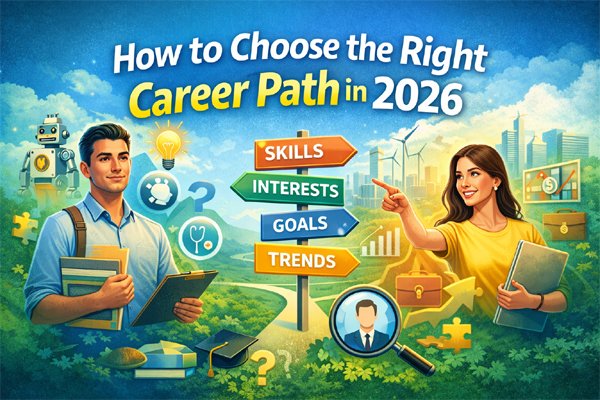
Choosing the right career is one of the most important decisions in life. In today’s modern job market, opportunities are expanding rapidly, but so are challenges. Technology is changing the way we work, new industries are emerging, and traditional careers are evolving. Therefore, making the right career choice requires careful thought, research, and planning.
In this article, we will provide expert tips to help you select a career that aligns with your skills, interests, and goals. These strategies are useful for students, recent graduates, and anyone considering a career change.
Why Choosing the Right Career Matters
A career impacts not only your financial stability but also your personal happiness. Many people spend years in jobs they do not enjoy, which can lead to stress, burnout, and low productivity. Choosing a career that fits your strengths and passions ensures long-term satisfaction and professional growth.
Moreover, the modern job market is dynamic. New roles in technology, healthcare, renewable energy, and digital services are continuously emerging. By making informed decisions, you can position yourself in careers that are growing, stable, and rewarding.
Step 1: Understand Your Skills and Interests
The first step in career planning is self-assessment. Understanding your strengths, weaknesses, and interests is critical. Ask yourself:
-
What subjects or activities do I enjoy the most?
-
What tasks make me feel motivated and productive?
-
Which skills do I excel at naturally?
You can also use career assessment tools or personality tests to help identify careers that match your strengths. For example, people who are creative may enjoy graphic design or marketing, while analytical minds may prefer data analysis, engineering, or finance.
Tip: Create a list of your top skills and interests to narrow down career options.
Step 2: Research the Job Market
Once you understand your abilities, research careers that suit them. Reliable sources include:
-
Professional networking sites like LinkedIn
-
Official job portals
-
Company websites and career blogs
-
Career guidance centers in schools or universities
Pay attention to job requirements, salary ranges, growth potential, and market demand. For example, in 2026, careers in artificial intelligence, cybersecurity, healthcare, digital marketing, and renewable energy are in high demand.
Step 3: Consider Your Values and Lifestyle
Your career should reflect your personal values and lifestyle goals. Think about:
-
Do you prefer a stable job or a flexible role?
-
How important is work-life balance to you?
-
Are you open to relocating for a job?
-
What are your long-term financial goals?
For instance, if stability is your priority, government or corporate jobs may suit you. If flexibility matters more, freelancing, remote work, or startup opportunities could be a better fit. Aligning your career with your values ensures lasting satisfaction.
Step 4: Evaluate Career Growth and Opportunities
A good career offers opportunities for professional development and advancement. When considering options, check:
-
Potential for promotions and skill development
-
Availability of training programs and certifications
-
Market demand for the role
Jobs that allow continuous learning and skill growth will keep you competitive in the modern job market.
Step 5: Seek Guidance from Mentors
Mentors provide valuable insights into industries and careers. They can guide you by:
-
Explaining the realities of day-to-day work
-
Helping you avoid common career mistakes
-
Sharing advice on growth opportunities
You can find mentors through LinkedIn, alumni networks, professional associations, or career counseling centers. Mentorship often accelerates learning and helps you make more informed decisions.
Step 6: Gain Practical Experience
Before committing to a career, try gaining hands-on experience. This helps you understand the job better and build essential skills. Practical experiences include:
-
Internships
-
Part-time jobs
-
Volunteer work
-
Freelance projects
By experiencing a job firsthand, you can determine if it aligns with your interests and strengths. Additionally, building experience early improves your resume and increases your chances of success.
Step 7: Make an Informed Decision and Plan Your Path
After assessing your skills, researching options, and gaining experience, it’s time to make a decision. Create a roadmap to achieve your career goals:
-
Identify necessary qualifications, certifications, or degrees
-
Set short-term and long-term goals
-
Build relevant skills through courses, workshops, or online learning
-
Apply for positions or internships strategically
A structured plan keeps you motivated and ensures steady progress toward your career goals.
Step 8: Stay Adaptable and Continue Learning
The modern job market changes rapidly due to technology and global trends. To stay competitive:
-
Learn new skills regularly
-
Adapt to new tools and technologies
-
Explore opportunities in emerging industries
Continuous learning ensures you remain relevant and opens doors to better career prospects.
Common Mistakes to Avoid
When choosing a career, avoid these mistakes:
-
Prioritizing salary alone: Interest and growth potential are equally important
-
Ignoring personal strengths: A mismatch can lead to dissatisfaction
-
Following others’ choices: Your decision should reflect your goals
-
Neglecting market trends: Choose careers in demand
-
Skipping practical experience: Hands-on work is essential before committing
By avoiding these mistakes, you can make a more informed and fulfilling career choice.
Advantages of Choosing the Right Career
Selecting the right career offers several benefits:
-
Higher job satisfaction and motivation
-
Faster professional growth and promotions
-
Better work-life balance
-
Improved confidence and skill development
-
Long-term financial security
Investing time and effort in choosing the right career pays off in the long run.
Frequently Asked Questions (FAQs)
How do I identify the right career for me?
You can start by assessing your skills, interests, and values. Career assessment tests and practical experience like internships can provide clarity.
Can I change my career later in life?
Yes, career changes are common. Many professionals switch careers to pursue interests, learn new skills, or find better opportunities.
Should I consider market demand when choosing a career?
Absolutely. Jobs in high-demand fields provide better opportunities, growth potential, and job security.
Is salary the most important factor in career choice?
Salary matters, but personal interest, work-life balance, and growth opportunities are equally important for long-term satisfaction.
How can I gain experience before choosing a career?
Internships, volunteer work, part-time jobs, and freelance projects are great ways to gain hands-on experience.
Is mentorship necessary for career decisions?
Mentorship is highly valuable. Experienced professionals provide insights, guidance, and advice that can help you make informed choices.
How can I keep up with changing career trends?
Stay updated by following industry news, taking courses, attending webinars, and networking with professionals in your field.
What skills are essential in the modern job market?
Skills like digital literacy, problem-solving, communication, adaptability, and technical expertise are highly valued in 2026.
Choosing the right career in the modern job market requires self-awareness, research, practical experience, and planning. By understanding your skills, exploring options, seeking guidance, and staying adaptable, you can make informed decisions that lead to long-term success.
Remember, a career is not just a job—it is a journey. With dedication, continuous learning, and a clear plan, you can build a fulfilling and prosperous professional life in 2026 and beyond.

The author is a content writer who focuses on education, careers, and government job preparation in Pakistan. With a strong interest in competitive exams and current affairs, they aim to provide practical and easy-to-understand guidance for students and job seekers. Their goal is to help readers prepare smarter and stay motivated on their career journey.