Choosing a career is one of the most important decisions in life. It affects your income, lifestyle, confidence, and long-term happiness. Many people rush into careers because of family pressure, social trends, or quick money. Later, they feel stuck, bored, or stressed because their job does not match who they really are. A career that fits your skills and interests gives you motivation, better performance, and long-term growth.
Building such a career is not about luck. It is a step-by-step process that requires self-awareness, planning, learning, and smart choices. This guide will help you understand how to discover your strengths, explore your interests, and turn them into a successful and satisfying career.
Understand Yourself First
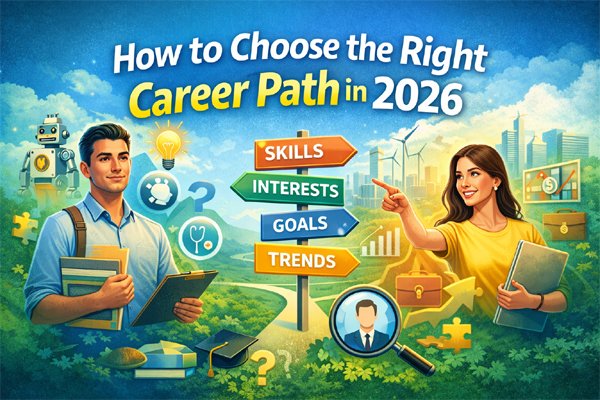
Before looking at jobs or degrees, you must understand yourself. Many people skip this step and directly choose a profession. This leads to confusion and regret later. Start by asking yourself simple but powerful questions. What activities do I enjoy doing? What kind of problems do I like solving? Do I prefer working with people, data, machines, or ideas? Do I enjoy creative work or structured tasks?
Your personality also matters. Some people enjoy teamwork and communication, while others prefer working alone. Some like routine and stability, while others enjoy change and challenges. A career that suits your personality will feel natural and less stressful.
Write down your answers honestly. Do not think about money or social status at this stage. Focus only on what excites you and what feels natural to you. This self-reflection will give you a strong base for future career decisions.
Identify Your Skills Clearly
Skills are what you can do well. They can be technical skills like writing, coding, teaching, designing, or repairing things. They can also be soft skills like communication, leadership, problem-solving, or time management. Many people underestimate their own skills because they think skills only come from degrees. In reality, skills come from daily life, hobbies, school, and work experience.
Think about tasks that people praise you for. Notice what you learn quickly compared to others. Look at your school subjects, online courses, part-time jobs, or volunteer work. These all reveal your strengths. Separate your skills into two groups: skills you already have and skills you want to develop.
A good career usually uses both. It uses your current strengths and allows you to grow new ones over time. This balance keeps your work interesting and rewarding.
Discover Your True Interests
Interests are what make you curious and excited. They are different from skills. You may be skilled at something but not enjoy it. You may also enjoy something but not yet be good at it. Both are important.
Notice what you read about in your free time. Observe what kind of videos you watch or what topics you search online. Think about activities that make you forget time. These clues show your natural interests.
Do not confuse interests with trends. Just because a field is popular does not mean it is right for you. Your interest should be genuine and long-lasting. A career built on real interest will keep you motivated even when the work becomes hard.
Match Skills and Interests with Career Options
Once you know your skills and interests, the next step is to connect them with real career paths. Research different professions related to your strengths. For example, if you enjoy writing and communication, you can explore journalism, content creation, teaching, or marketing. If you like problem-solving and logic, you can look into engineering, data analysis, or programming.
Do not limit yourself to one option. Make a list of several possible careers. Then study what each career requires in terms of education, skills, and experience. Look at job descriptions online. This will show you what employers actually want.
This research helps you avoid unrealistic choices and prepares you for the real world. It also helps you understand how your interests can become a profession.
Set Clear Career Goals
A goal gives direction to your efforts. Without a goal, you may keep changing paths and waste time. Your career goals should be clear but flexible. They should describe what you want to become and how you plan to get there.
For example, instead of saying “I want a good job,” say “I want to become a digital marketer within three years by learning SEO, content writing, and social media management.” This type of career goal helps you plan your learning and actions.
Break your long-term career goals into smaller steps. These can include completing a course, gaining experience, building a portfolio, or applying for internships. Small goals keep you focused and confident.
Choose the Right Education and Training
Education is a tool, not the final goal. Choose education that supports your career path, not just what others suggest. This can be a university degree, a diploma, or online learning. What matters is that it teaches you useful skills.
Modern careers change quickly, so learning should be continuous. Do not depend only on formal education. Learn from books, videos, workshops, and real projects. Practical learning makes you more employable.
Also, focus on skills that are in demand. Communication, digital skills, critical thinking, and adaptability are valuable in almost every field. When your education matches your career goals, your efforts become meaningful.
Gain Real Experience Early
Experience is one of the most important parts of building a career. Many people wait until they finish their studies before gaining experience. This is a mistake. Start as early as possible.
You can gain experience through internships, freelancing, volunteering, or small personal projects. Even unpaid work can be valuable at the beginning because it teaches you how the real world works. It also helps you test if a career truly suits you.
Experience builds confidence and improves your skills. It also makes your resume stronger. Employers prefer people who have practical knowledge, not just theory.
Build a Strong Professional Identity
Your professional identity is how others see you in your career field. It includes your resume, online profile, and reputation. Start building it early.
Create a simple and clear resume that highlights your skills and experience. Use professional language and avoid false information. If possible, build an online profile on platforms related to your career field.
Share your learning, projects, and achievements. This shows your dedication and growth. Over time, people will start to recognize you for your skills. A strong identity opens doors to better opportunities.
Develop a Growth Mindset
A growth mindset means believing that you can improve through effort and learning. No one is perfect at the beginning. Every successful person started as a beginner.
You will face failures and rejections. These are not signs that you are on the wrong path. They are lessons that help you improve. Learn from mistakes instead of fearing them.
Be open to feedback and new ideas. Keep updating your skills. The job market changes, and careers evolve. A growth mindset keeps you flexible and prepared for the future.
Balance Passion with Practicality
While interests are important, practicality also matters. A career should support your basic needs and future plans. This does not mean you should ignore your passion. It means you should shape your passion into a sustainable profession.
For example, if you love art, you can explore graphic design, animation, or digital illustration. If you love teaching, you can look into online education or training programs. The key is to connect what you love with what the market needs.
This balance protects you from disappointment and helps you stay motivated in the long run.
Seek Guidance and Mentorship
You do not have to build your career alone. Learning from others saves time and mistakes. Talk to people who work in fields you are interested in. Ask them about their journey, challenges, and advice.
A mentor can guide you, motivate you, and help you see opportunities you may miss. Even books and interviews can act as mentors if real ones are not available.
Listening to others does not mean copying them. It means learning from their experience and applying the lessons to your own path.
Stay Patient and Consistent
Building a career takes time. There is no overnight success. Some people grow fast, others slowly. Do not compare your journey with others. Focus on your own progress.
Consistency is more powerful than speed. Small daily efforts bring big results over time. Learning one skill, improving one habit, and gaining one experience at a time will shape your future.
Patience helps you stay calm during uncertainty. Trust the process and keep moving forward.
Adapt to Change and New Opportunities
The world of work is changing rapidly. New careers appear while old ones disappear. To build a long-lasting career, you must be adaptable.
Stay informed about trends in your field. Be ready to learn new tools and methods. Sometimes, a small change in direction can bring better opportunities. Adaptation does not mean giving up your interests. It means updating how you use them.
Flexibility keeps your career alive and relevant.
Create a Personal Career Plan
A career plan is a written guide for your future. It includes your career goals, skills, interests, and action steps. This plan helps you stay focused.
Write down what you want to achieve in one year, three years, and five years. Include what skills you need and what actions you will take. Review your plan regularly and update it when needed.
A plan turns dreams into achievable steps. It gives you control over your direction.
Building a career that matches your skills and interests is not a single decision. It is a journey of self-discovery, learning, and growth. When you understand yourself, identify your strengths, and follow your true interests, your work becomes more meaningful.
A career built on alignment brings satisfaction and success together. It reduces stress, increases motivation, and improves performance. Instead of chasing random opportunities, you create a clear path based on who you are.
Take time to explore yourself, research your options, and prepare wisely. Stay patient, keep learning, and remain open to change. Your ideal career is not found by chance. It is built with intention, effort, and belief in your own potential.
If you start today with small steps, your future self will thank you for choosing a career that truly fits you.

The author is a content writer who focuses on education, careers, and government job preparation in Pakistan. With a strong interest in competitive exams and current affairs, they aim to provide practical and easy-to-understand guidance for students and job seekers. Their goal is to help readers prepare smarter and stay motivated on their career journey.