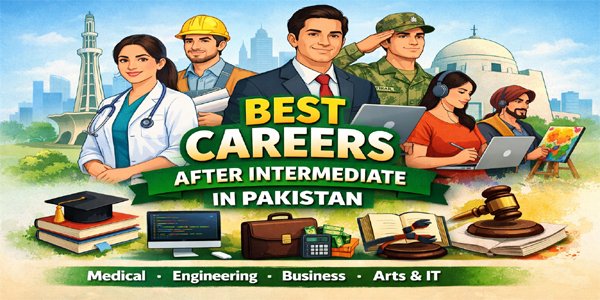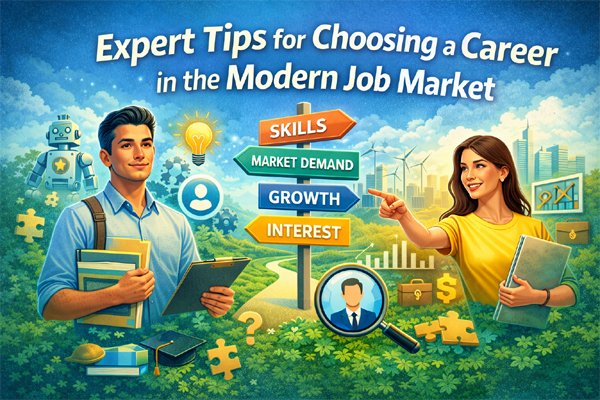
Choosing the right career path is one of the most important decisions in life. In 2026, the job market is evolving faster than ever, and young professionals face a wide range of options. Whether you are a student, fresh graduate, or someone planning to change careers, selecting a career that fits your skills, interests, and goals is essential.
In this guide, we will discuss practical steps to choose the right career, factors to consider, and tips to succeed in your professional life.
Why Choosing the Right Career Matters
Your career influences not only your financial stability but also your personal happiness and growth. Choosing the wrong path can lead to stress, dissatisfaction, and wasted time. On the other hand, the right career can make you feel motivated, confident, and successful.
Moreover, in 2026, careers are no longer limited to traditional roles. Many new opportunities exist in technology, digital marketing, freelancing, remote work, healthcare, and green energy. Therefore, it is essential to evaluate your options carefully.
Step 1: Assess Your Skills and Interests
The first step to choosing the right career is understanding yourself. Ask yourself:
-
What subjects or activities do I enjoy the most?
-
What are my natural strengths and talents?
-
Which tasks make me feel satisfied and motivated?
You can also take career assessment tests online to identify your skills and interests. These tests help match your personality with potential career paths. For example, creative people may enjoy graphic design or content creation, while analytical minds may prefer engineering or data science.
Tip: List your top skills and interests to narrow down potential careers.
Step 2: Research Career Options
Once you understand your skills and interests, research possible careers. Use reliable sources such as:
-
Government and private job portals
-
Professional networking sites like LinkedIn
-
Company websites and career blogs
-
Educational institutions and career counseling centers
Pay attention to each career’s requirements, such as education, experience, and certifications. Also, explore growth opportunities, job security, and salary trends. In 2026, some high-demand fields include artificial intelligence, cybersecurity, healthcare, renewable energy, and digital marketing.
Transition Word Tip: Words like also, for example, moreover, and therefore improve readability and connect ideas.
Step 3: Consider Your Values and Goals
Your career should align with your personal values and long-term goals. Ask yourself:
-
Do I want a stable job or a flexible role?
-
How important is work-life balance for me?
-
Do I want to work locally or internationally?
-
What are my financial goals?
For instance, if you value stability, government or corporate jobs may suit you. If you prefer flexibility, freelancing or remote work could be ideal. Aligning your career with your values ensures long-term satisfaction.
Step 4: Evaluate Job Market Trends
Before choosing a career, consider market demand. Some professions grow rapidly, while others may decline. In 2026, technology-driven jobs are expanding quickly. Sectors like:
-
Artificial Intelligence and Machine Learning
-
Software Development and IT Services
-
Healthcare and Biotechnology
-
Renewable Energy and Sustainability
-
Digital Marketing and Content Creation
…offer multiple opportunities for growth and advancement.
Tip: Look for careers that combine your skills, interests, and market demand.
Step 5: Seek Guidance and Mentorship
Talking to experienced professionals can provide valuable insights. Mentors can help you:
-
Understand day-to-day job responsibilities
-
Identify growth opportunities
-
Avoid common career mistakes
You can connect with mentors through:
-
LinkedIn and professional networks
-
Alumni associations of your school or university
-
Career counseling centers
Mentorship often accelerates learning and helps you make informed career choices.
Step 6: Gain Experience and Test Options
Before committing to a career, try gaining practical experience. For example:
-
Internships and apprenticeships
-
Volunteer work or part-time jobs
-
Freelance projects
Experiencing work firsthand helps you understand your preferences and strengths. Moreover, building experience early enhances your resume and increases your chances of success.
Step 7: Make a Decision and Plan Your Path
After research, reflection, and guidance, choose the career that best fits your goals. Then, create a clear roadmap:
-
Identify the required education or certifications
-
Set short-term and long-term goals
-
Build relevant skills through courses or training
-
Start applying for jobs or projects
A well-structured plan keeps you focused and motivated as you progress in your career.
Step 8: Stay Flexible and Keep Learning
In 2026, industries change rapidly. Therefore, staying flexible is essential. You may need to:
-
Learn new skills
-
Adapt to new technologies
-
Explore career shifts if opportunities arise
Continuous learning and professional development ensure that you remain competitive and successful in your field.
Common Mistakes to Avoid
When choosing a career, avoid these mistakes:
-
Choosing a career based only on money: Satisfaction and growth matter more than salary alone.
-
Ignoring your skills and interests: A mismatch can lead to burnout.
-
Relying only on advice from others: Your decision should reflect your goals.
-
Not researching market trends: High-demand skills lead to better opportunities.
-
Avoiding practical experience: Hands-on work is crucial before committing.
Advantages of Choosing the Right Career
Choosing a suitable career offers multiple benefits:
-
Higher motivation and job satisfaction
-
Faster career growth and promotions
-
Better work-life balance
-
Increased confidence and skill development
-
Long-term financial stability
Therefore, investing time in selecting the right path is always worth it.
Frequently Asked Questions (FAQs)
How do I know which career suits me best?
You can identify the right career by assessing your skills, interests, and values. Career assessment tests and internships can help you understand your strengths and preferences.
Can I change my career after starting it?
Yes, career changes are common. In 2026, many professionals switch careers to follow their interests, learn new skills, or pursue better opportunities.
How important is market demand when choosing a career?
Market demand is crucial because it affects job availability and growth. Choosing a career in high-demand fields ensures better opportunities and job security.
Should I choose a career based on salary?
Salary is important, but it should not be the only factor. Personal interest, growth opportunities, and work-life balance are equally important.
How can I gain experience before choosing a career?
You can gain experience through internships, part-time jobs, volunteering, or freelance projects. This helps you understand the role and build practical skills.
Is mentorship necessary for career decisions?
Mentorship is highly valuable. Experienced professionals can guide you, provide insights, and help you avoid mistakes.
How can I keep up with changing career trends?
Stay updated by following industry news, attending workshops, taking online courses, and connecting with professionals in your field.
What skills are most important in 2026?
In 2026, skills like digital literacy, problem-solving, communication, adaptability, and technical expertise in fields like AI, IT, and healthcare are highly valuable.
Can I pursue multiple career options at once?
Yes, some people choose multiple paths, such as freelancing while working full-time. However, it requires good time management and planning.
How long does it take to establish a career?
Establishing a career varies depending on the field and your efforts. With proper planning and continuous learning, many professionals see significant growth within 3-5 years.
Choosing the right career path in 2026 requires self-reflection, research, and planning. By understanding your skills, exploring options, seeking guidance, gaining experience, and staying flexible, you can build a successful and fulfilling career.
Remember, a career is a journey, not just a destination. Take informed decisions, stay motivated, and keep learning. With dedication and the right approach, you can achieve long-term success and personal satisfaction.

The author is a content writer who focuses on education, careers, and government job preparation in Pakistan. With a strong interest in competitive exams and current affairs, they aim to provide practical and easy-to-understand guidance for students and job seekers. Their goal is to help readers prepare smarter and stay motivated on their career journey.